 Airtime Vending
  Payment Terminal Solution
  Hardware Services
  Managed Services
  Training
  Software Services
  IT Infrastructure
  Support Hub
  E-Government Solution
  Colocation Service
  Cloud Services
  Metering
  ATM Management


The digital revolution in Nigeria has prompted businesses to rethink where their core technology resides. While the concept of data center colocation—housing your enterprise servers in a professional, third-party facility—has gained widespread traction, the physical mechanics of this service often remain unclear.
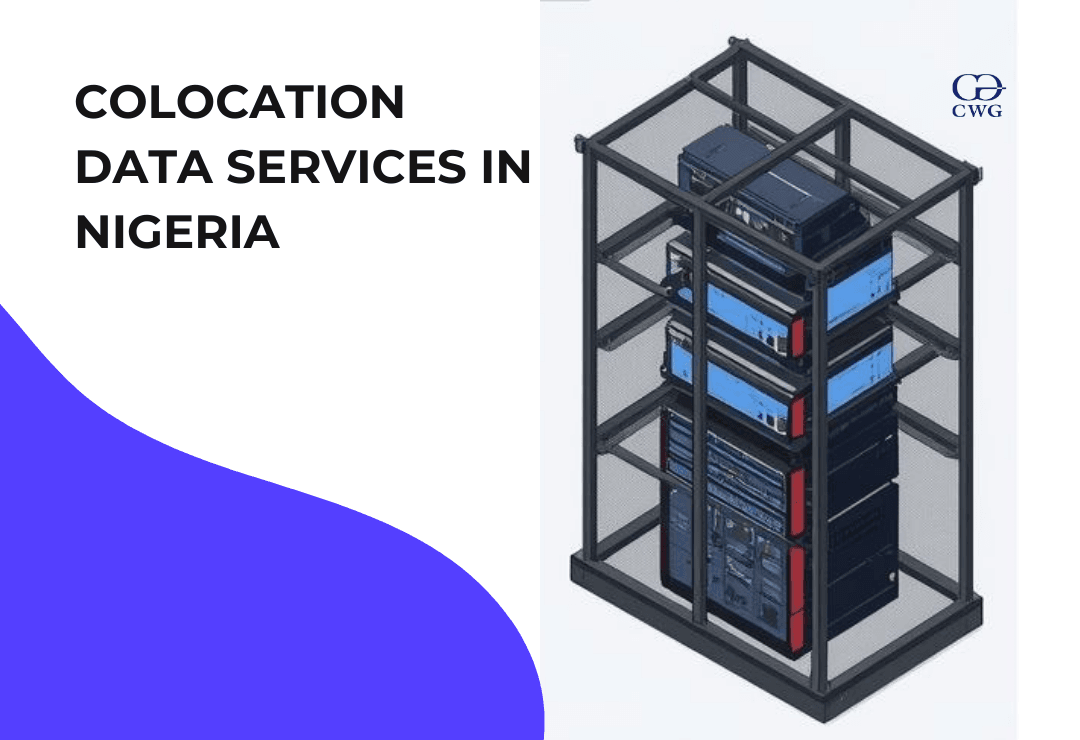
When you invest in colocation services, you are not just buying a square foot of floor space; you are securing a highly specialized and environmentally controlled vault for your most valuable assets. The unit of measurement for this space is typically a rack, a cabinet, or a secure cage.
For any Nigerian business—from a rapidly scaling FinTech startup to an established multinational—understanding the size, security, and benefits associated with these physical units is the first step toward a resilient IT strategy.
The Foundation: Racks and Cabinets in Retail Colocation
A data center rack or cabinet is the fundamental unit of space rented in a colocation facility, forming the basis of what is known as Retail Colocation.
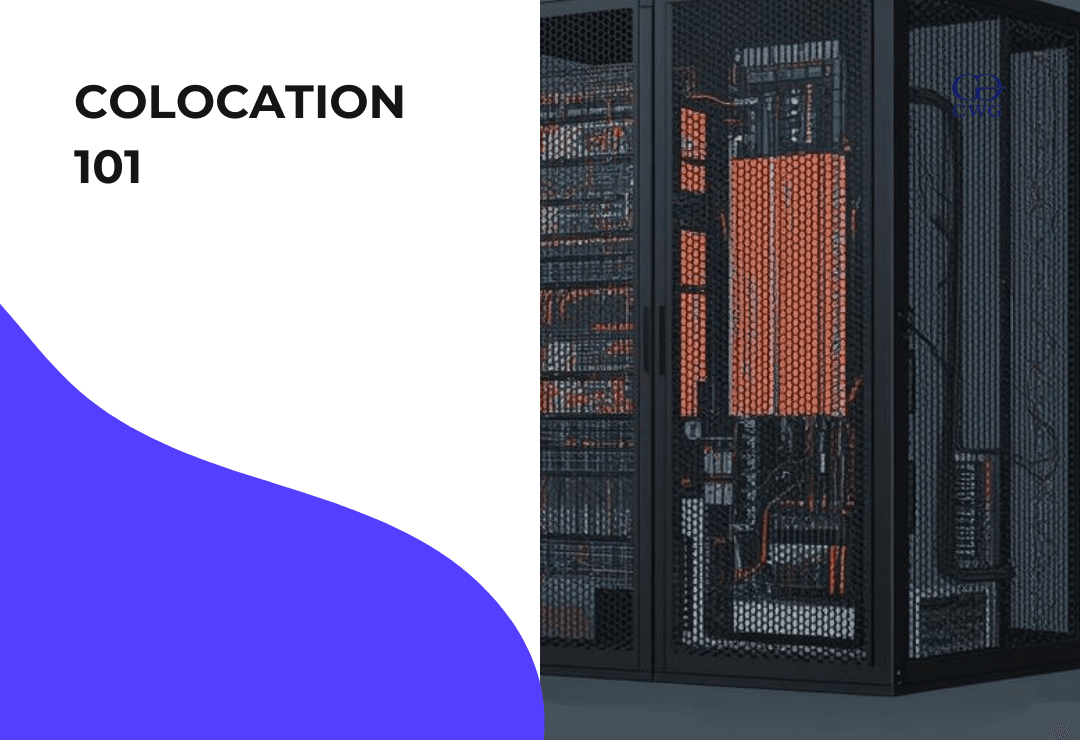
In essence, a cabinet is a tall, standardized enclosure—often 42U, 45U, or 47U (U refers to a unit of height, roughly 1.75 inches)—designed to perfectly house your servers, switches, cables, and essential computing gear. When your business opts for colocation, your staff installs and configures your owned equipment directly into this cabinet.
For small- to medium-sized enterprises (SMEs) operating in commercial hubs like Ikeja, Lekki or anywhere in Nigeria, colocation providers offer flexible retail options to match precise needs without demanding excessive investment :
• Quarter Rack (1/4 Cabinet): Ideal for startups or those with minimal server requirements, offering a small, dedicated section within a shared cabinet.
• Half Rack Cabinets (1/2 Cabinet): Suitable for growing businesses that require more capacity and power without needing a full, dedicated footprint.
• Full Rack Cabinet: Provides maximum density and security for a single tenant, ensuring all 42U (or more) of space are yours to manage and control.
Crucially, regardless of the size you choose, you are the owner of the hardware and the data; the data center staff only provides the housing and the mission-critical environment.
Scaling Up: The Dedicated Security of Cages
As a Nigerian enterprise expands its footprint, particularly those engaged in high-scale operations like cloud providers or international carriers, the need for dedicated, large-scale space emerges. This leads to the utilization of secure cages—the structural core of Wholesale Colocation.
A secure cage involves renting a substantial area of the data hall floor space, which is then physically enclosed by walls, fencing, or a specialized partition, complete with its own access controls. This offers an enhanced level of security and customization compared to a shared cabinet environment.
The cage model is typically chosen by organizations that require:
1. Massive Capacity: Hyperscalers or large corporate and government agencies need the flexibility to install rows of racks, custom power distribution units, and specialized networking gear.
2. Increased Physical Security: The secured cage provides an additional layer of isolation and access restriction, ensuring only approved, high-level personnel can interact with the equipment.
3. Bespoke Deployments: This allows tenants to implement custom security protocols or non-standard equipment configurations that might not be possible within a standard cabinet.
For major colocation facilities in Lagos—such as the one by CWG—the ability to offer both retail cabinets and wholesale cages is paramount to serving the diverse ecosystem of the Nigerian market.
The Value Beyond the Box: Why the Facility Matters
The strategic benefit of colocation is not merely the space itself, but the advanced infrastructure that surrounds your rack. When you place your equipment in a certified Lagos data center, you gain immediate access to institutional-grade operational resilience that is virtually impossible to replicate in an on-premises setting.
Key features of the colocation data center environment include:
• High-Level Security: Facilities employ multilayered physical security—including controlled access, comprehensive surveillance, and biometric verification—to safeguard mission-critical data.
• Power and Cooling Redundancy: Given Nigeria’s infrastructure challenges, colocation centers are engineered with multilayer redundancy, including advanced Uninterruptible Power Sources (UPS) and multiple backup generators. This design is crucial for meeting demanding Service Level Agreements (SLAs) for uptime.
• Climate Control: Your equipment is housed in a cool, controlled surrounding, benefiting from advanced HVAC units and specialized cooling techniques necessary to manage high-density racks in a tropical climate.
• Connectivity Ecosystems: Placing your equipment in a carrier-neutral data center means your rack instantly gains access to an ecosystem of international carriers, cloud providers, and Content Delivery Networks (CDNs), driving low latency and enabling robust interconnection strategies.
For any business looking to avoid the high upfront costs and the operational maintenance associated with managing an in-house server room, selecting the appropriate rack, cabinet, or cage is the defining moment. It marks the transition from costly self-reliance to an optimized, shared infrastructure model, securing your future in the booming Nigerian digital economy. Looking to speak to someone about this? Click to send us a direct mail.